How to Shut Off Your Water Main in an Emergency
A burst pipe can dump hundreds of gallons into your home in minutes. Here's exactly how to find and shut off your water main fast in New Jersey.
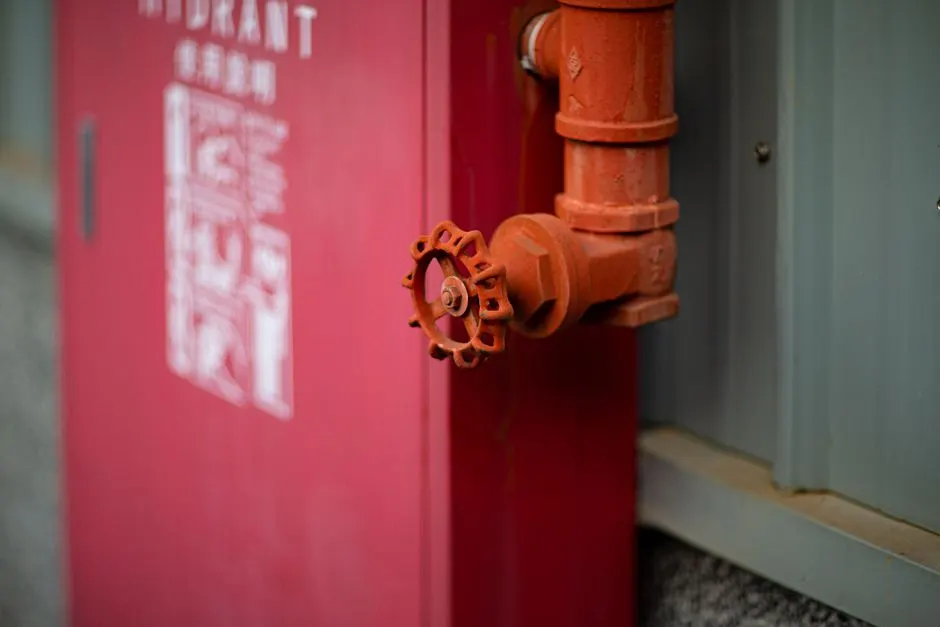
To shut off your water main in an emergency, locate the main shut-off valve-usually in the basement, crawl space, or near the water meter-and turn the handle clockwise until it stops. If the valve is a round wheel, turn it clockwise; if it's a lever, push it perpendicular to the pipe. That single action stops water from flowing into every faucet, toilet, and appliance in your home.
We've walked into hundreds of New Jersey homes where a burst pipe was spraying water for 20 minutes before anyone found the valve. Knowing this one procedure can save you thousands in water damage. This guide covers where your valve likely is, how to operate every type of valve you'll encounter, and what to do when the valve won't budge or you simply can't find it.
Why You Need to Know This Before an Emergency
A 1/2-inch burst pipe at 60 PSI releases roughly 10 to 15 gallons of water per minute. In the 15 minutes it takes to find a shut-off tool and figure out which way the valve turns, you're looking at 150 to 225 gallons soaking into floors, walls, and ceilings.
Water damage restoration in New Jersey typically runs $3,000 to $8,000 for a single room-and that's before you replace the pipe. Insurance may cover it, but the deductible and the disruption are on you. The five minutes you spend today learning your valve location is the cheapest insurance you'll ever buy.
We see this every week in older homes across Plumbing in Newark where 1920s galvanized pipes finally give out, and in newer construction where a failed supply line to a washing machine floods a finished basement. The story is always the same: "I didn't know where the valve was."
Where Is the Main Water Shut Off Valve in Your NJ House?
The main water shut off valve in a New Jersey home is typically located where the water supply line enters the house-most often in the basement, utility room, or crawl space on the side of the home facing the street.
Here's where to look, in order of likelihood:
- Basement: Follow the main water line from where it enters through the foundation wall. The valve is usually within 3 to 5 feet of that entry point, often near the water meter.
- Crawl space: Common in ranches and older homes. Look for the pipe coming up through the floor or entering through the foundation.
- Utility room or garage: Some newer construction places the valve near the water heater or where the main line first enters the conditioned space.
- Outside at the curb: If you can't find an indoor valve, there's likely a curb stop valve near the property line. This requires a special key and is usually the water utility's responsibility.
In most NJ homes, the main shut-off valve is a gate valve with a round wheel handle or a ball valve with a lever handle. Gate valves are common in older homes; ball valves are standard in anything built after the mid-1990s.
If you're in a condo or apartment, your unit may have its own shut-off valve near the water heater or in a utility closet. If not, you'll need to contact building maintenance to shut off water to your unit.
How Do I Shut Off My Water Main in an Emergency in New Jersey?
Turn the valve clockwise until it stops. For a wheel handle, grip it firmly and turn right. For a lever handle, rotate it 90 degrees so it's perpendicular to the pipe. Water should stop flowing within a few seconds.
Here's the step-by-step:
- Stay calm and act fast. Every second counts. If water is spraying near electrical outlets or your electrical panel, do not enter the area-call 911 and your utility company first.
- Locate the valve. Use the guidance above. If you've never looked for it, now is the time to find it before an emergency.
- Turn clockwise. Wheel handles turn clockwise to close. Lever handles rotate 90 degrees to sit perpendicular to the pipe.
- Confirm water is off. Open a nearby faucet. If water stops flowing within 30 seconds, the main is closed.
- Open faucets to drain remaining water. Open the lowest faucet in the house (usually a basement sink or outdoor spigot) to drain pressure from the lines.
- Address the immediate leak. If a pipe is burst, wrap it with a towel or pipe repair tape to minimize spray until a plumber arrives.
If your valve is stuck-and this happens often with older gate valves-do not force it. Forcing a stuck valve can snap the stem and leave you with water pouring out of the valve itself. Call a plumber immediately. Our team handles Emergency Plumbing in New Jersey around the clock, and we can talk you through temporary measures while we're on the way.
What If You Can't Find Your Water Shut Off Valve in New Jersey?
If you can't find your main shut-off valve, go to the curb and look for the curb stop box-a small rectangular or round cover near the street, usually in line with your water meter. You'll need a curb key (a long T-handle tool) to turn it. Most hardware stores sell them for $15 to $30.
If you don't have a curb key, call your water utility's emergency line. They can shut off water at the curb, though response times vary by municipality-anywhere from 30 minutes to a few hours depending on the time of day.
For homes in flood-prone areas like Plumbing in Toms River, where the water table is high and sump pumps run constantly, we recommend every homeowner keep a curb key and a pipe repair clamp in the basement. When a pipe bursts during a storm, you don't want to be driving to Home Depot.
If you're on a well system, your shut-off is different. Look for the pressure tank and the switch or valve on the line between the well pump and the tank. Shutting off power to the well pump at the breaker panel also stops water flow.
Shutting Off Water to Individual Fixtures
Sometimes you don't need to shut off the whole house-just the fixture that's leaking. Every toilet, sink, and appliance has its own shut-off valve.
How do I turn off water to my toilet in New Jersey?
Look behind the toilet near the floor. You'll see a small oval or round handle on the wall or floor-that's the toilet shut-off valve. Turn it clockwise until it stops. If the valve is stuck or the handle spins without resistance, the valve is broken and needs replacement. We handle Toilet Repair & Installation in New Jersey and can replace a failed shut-off valve in under an hour.
How do I shut off water to my sink or washing machine?
Under the sink, you'll find two small valves-one for hot, one for cold. Turn the one feeding the leaking side clockwise. For a washing machine, the valves are behind the unit where the hoses connect. Turn both clockwise if you're not sure which is leaking.
How do I shut off water to my water heater?
There's a valve on the cold-water inlet pipe above the water heater. Turn it clockwise. If your water heater is leaking from the tank itself, shutting off the inlet stops new water from entering, but the tank will still drain its contents. Call a plumber-a leaking tank usually means replacement. We install and repair Water Heater Repair & Replacement in New Jersey and can usually get you hot water back the same day.
Common Mistakes to Avoid During a Water Emergency
The biggest mistake is waiting. Homeowners often spend 10 minutes mopping before shutting off the water. The water wins every time. Shut the valve first, then mop.
Other mistakes we see:
- Forcing a stuck valve. If it won't turn with moderate pressure, stop. You'll break the stem and make the leak worse.
- Shutting off the wrong valve. Some homes have multiple valves near the water meter. The main is the one on the line coming from the street, before the meter.
- Not draining the lines. After shutting the main, open the lowest faucet in the house to relieve pressure. Otherwise, water trapped in the lines will continue to leak.
- Ignoring the water heater. If you shut off the main but the water heater is still running, it can overheat. Turn off the breaker or gas valve to the water heater as well.
- Not labeling the valve. After the emergency is over, tag the main shut-off valve with a bright tag so you-or a house sitter-can find it fast next time.
One more thing: if the burst pipe is in a wall or ceiling, you may not see the leak immediately. If you hear running water when everything is off, or your water bill spikes, you likely have a hidden leak. Our Leak Detection & Repair in New Jersey team uses acoustic listening equipment and thermal imaging to find leaks behind walls without tearing your house apart.
When to Call a Professional
Call a licensed plumber if the valve won't turn, if water is still flowing after you've closed the main, if the leak is in a wall or under a slab, or if you've had to shut off the main more than once for the same problem. Those are signs of a failing valve, a broken pipe, or a hidden leak that needs professional diagnosis.
We handle everything from a single burst pipe to whole-house repiping. If your home has old galvanized or polybutylene pipes that keep failing, we can assess whether Repiping in New Jersey makes more sense than patching the same line every winter.
NJ Plumbing Pros is a state-licensed plumbing contractor serving homeowners across New Jersey. We answer calls 24/7, and we quote the job before we start-no surprises.
Frequently Asked Questions
How do I shut off my water main in an emergency in New Jersey?
Find the main valve-usually in the basement or near the water meter-and turn it clockwise until it stops. Lever valves turn 90 degrees. Then open the lowest faucet in the house to drain pressure. If you can't find it, call your water utility or a plumber immediately.
Where is the main water shut off valve in my NJ house?
In most New Jersey homes, it's in the basement within 3 to 5 feet of where the main line enters through the foundation. Crawl spaces and utility rooms are also common. If you can't find it indoors, look for a curb stop box near the street.
What do I do if I can't find my water shut off valve in New Jersey?
Go to the curb and look for the curb stop box-a small cover near the street. You'll need a curb key ($15-$30 at hardware stores) to turn it. If you don't have one, call your water utility's emergency line; they can shut it off at the curb.
Who do I call if my water main breaks in NJ?
Call a licensed emergency plumber first-they can stop the leak and repair the line. If the break is on the utility side of the meter, call your water utility. NJ Plumbing Pros handles emergency water main repair across New Jersey, 24/7.
How do I turn off water to my toilet in New Jersey?
Look behind the toilet near the floor for a small oval or round handle. Turn it clockwise until it stops. If the valve is stuck or spins without resistance, it's broken and needs replacement-call a plumber before it fails completely.
Get Help with Plumbing in New Jersey
If you're dealing with a burst pipe, a stuck valve, or water where it shouldn't be, call NJ Plumbing Pros at (201) 555-0123. We're available 24/7 for emergencies across New Jersey.
One call, and we'll shut it down, fix it right, and get your home back to normal.