New Jersey Plumbing Codes Every Homeowner Should Know
Permits, water heater rules, repiping standards, and the violations that fail inspection most often in New Jersey. Here is what actually applies to your house.
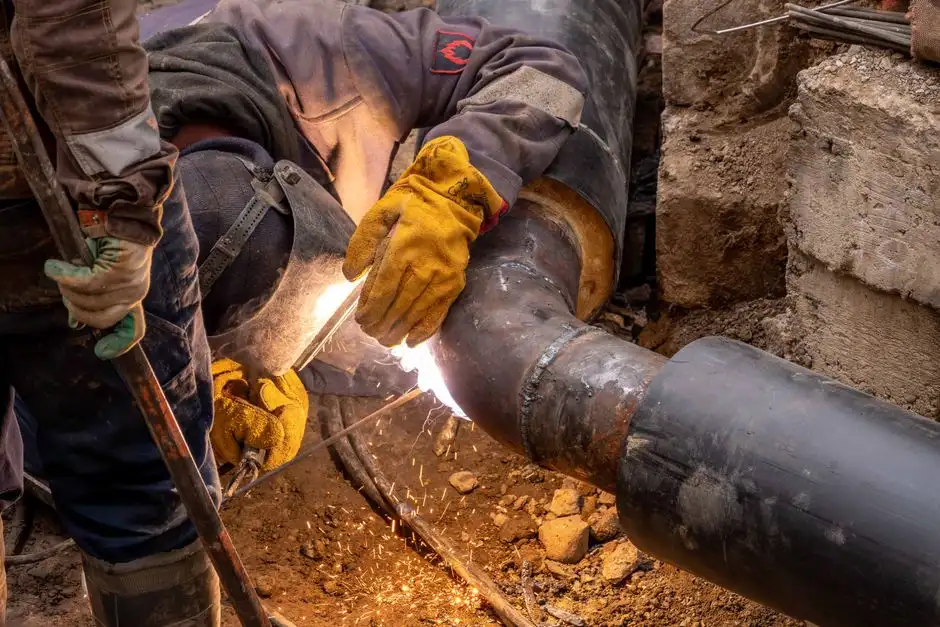
New Jersey plumbing codes are the state-adopted rules - based on the National Standard Plumbing Code and the Uniform Construction Code - that govern how water supply, drainage, venting, and fixtures must be installed in every home. They apply whether you are swapping a toilet or repiping a whole house, and most work beyond a simple fixture swap requires a permit and an inspection. This guide covers the rules homeowners actually run into: permits, water heaters, repiping, licensing, and the violations that fail inspection most often.
We are NJ Plumbing Pros, a state-licensed plumbing contractor working across New Jersey. We pull permits, schedule inspections, and correct code violations every week. Here is what you need to know before you hire anyone - including us.
What Are the Plumbing Codes in New Jersey?
New Jersey plumbing code is the set of installation standards adopted by the state Department of Community Affairs and enforced by your local construction official. The state uses the National Standard Plumbing Code as its model, with amendments that apply uniformly across all 564 municipalities. That means the core rules - pipe sizing, venting, backflow prevention, water heater installation - are the same whether you live in Trenton or Toms River.
What changes from town to town is the permitting process, not the technical standard. Your local construction office issues the permit, sends an inspector, and signs off. The inspector checks the same code either way.
Three categories of work trigger code requirements in a typical New Jersey home:
- New installations - water heaters, sump pumps, hose bibs, bathroom additions.
- Replacements - repiping, sewer line replacement, water service line swaps.
- Alterations - moving a drain, adding a vent, converting a tub to a shower.
Minor repairs - a new flapper, a rebuilt fill valve, a tightened compression fitting - do not require a permit. The line is whether you are changing the plumbing system or just maintaining it.
Do I Need a Permit for Plumbing Work in NJ?
Yes, for almost anything beyond a basic repair. New Jersey plumbing permit requirements cover water heater replacements, repiping, sewer line work, new fixtures, and any change to the supply or drain system. The permit costs $50 to $150 depending on the scope and the town, and it includes the inspection.
Homeowners often skip the permit to save time. That decision creates two problems. First, if the work fails or causes damage, your homeowner's insurance can deny the claim because the work was unpermitted. Second, when you sell the house, the buyer's inspector will flag unpermitted plumbing, and you will pay to open walls and legalize it - usually at a higher cost than pulling the permit in the first place.
We pull the permit before we start. It is part of the job, not an add-on. If a contractor tells you a permit is not needed for a water heater swap or a repipe, that is a red flag.
One more thing: the permit must be pulled by the licensed contractor doing the work, not by the homeowner. New Jersey does allow homeowners to pull permits for work on their own primary residence, but you still have to pass the same inspection, and you cannot legally pay someone else to do the work under your homeowner's permit.
Water Heater Code Requirements in New Jersey
New Jersey plumbing code for water heaters requires a temperature-and-pressure relief valve piped to within 6 inches of the floor, a drain pan under any tank in a finished space, and proper venting for gas units. These are the three items inspectors check first, and they are the three most commonly missing on DIY or handyman installs.
The T&P valve is not optional. It releases pressure if the tank overheats or the thermostat fails. Without it, a failing water heater can become a projectile. The discharge pipe must be the same diameter as the valve outlet - usually 3/4 inch - and must run downhill to a safe drain or outside.
Gas water heaters also need:
- A properly sized flue with correct rise and clearance from combustibles.
- A sediment trap on the gas line ahead of the controls.
- Combustion air - a closet install needs louvered doors or a dedicated air intake.
If you are replacing a tank with a tankless unit, the venting rules change completely. Tankless water heater installation in New Jersey requires a Category III stainless vent, condensate management, and often a larger gas line. We see more failed inspections on tankless retrofits than on any other single item because the gas supply was never upsized.
Typical 2026 pricing for a standard 50-gallon gas water heater replacement in New Jersey runs $1,400 to $2,400 installed, including the permit and inspection. Tankless conversions run $3,500 to $6,500 depending on venting and gas line work.
Repiping and Pipe Material Rules
New Jersey plumbing code for repiping allows copper, PEX, and CPVC for supply lines, but each has installation rules that inspectors enforce. Copper must be properly supported and bonded to the electrical ground. PEX must be protected from UV light and sleeved where it passes through concrete. CPVC has temperature limits that make it a poor choice for the first 18 inches off a water heater.
The bigger issue with repiping is not the material - it is the permits and the inspection sequence. A whole-house repipe requires a rough-in inspection before the walls close. If the drywall goes up first, the inspector cannot see the work, and you will be opening walls again.
We schedule the rough-in inspection, then the drywall, then the final. That sequence is not negotiable, and it is why a repipe takes three to five days instead of one.
Older New Jersey homes - especially those built before 1970 in cities like Newark, Paterson, and Elizabeth - often have galvanized steel supply lines. Galvanized pipe corrodes from the inside, restricts flow, and eventually leaks at the joints. It is not a code violation to have it, but it is a code violation to splice new copper or PEX onto galvanized without a dielectric union, and most inspectors will require a full replacement of the affected run.
How to Check If a Plumber Is Licensed in NJ
New Jersey plumbing license requirements mean every plumber doing work in your home must hold a valid Master Plumber license issued by the State Board of Examiners of Master Plumbers. You can verify any license in about two minutes on the state's online license lookup.
Ask for the license number before work starts. Then check three things:
- The name on the license matches the company or the person doing the work.
- The license status is active, not expired or suspended.
- The license covers the type of work - a Master Plumber can pull permits; a journeyman cannot.
We are a state-licensed plumbing contractor, and we will give you our license number before you ask. If a contractor hesitates or says the license is "in the truck," hire someone else.
Insurance matters too. Ask for a certificate of insurance showing general liability and workers' compensation. If a worker gets hurt in your basement and the contractor has no workers' comp, your homeowner's policy can be on the hook.
Common Plumbing Code Violations in New Jersey
Common plumbing code violations in New Jersey fall into a predictable set. After thousands of inspections, these are the ones we see most:
- Missing T&P discharge pipe on a water heater - or a pipe that runs uphill or ends more than 6 inches off the floor.
- Improper venting - a drain that gurgles because the vent is undersized, missing, or tied into the wrong stack.
- S-trap instead of P-trap under a sink. S-traps siphon themselves dry and let sewer gas into the house.
- No backflow prevention on hose bibs, irrigation lines, or boiler feeds.
- Undersized gas line feeding a tankless water heater or a new range.
- Flexible connectors used as permanent supply lines in walls or ceilings.
- Unpermitted work - the violation that causes the most trouble at resale.
Most of these are cheap to fix during the job and expensive to fix after the walls are closed. That is the whole argument for pulling the permit and doing the inspection.
What Happens If Plumbing Work Fails Inspection in NJ?
If plumbing work fails inspection in NJ, the inspector issues a written correction notice listing each violation. You or your contractor fix the items, schedule a re-inspection, and pay a re-inspection fee - usually $30 to $75 depending on the town. The work cannot be covered, used, or sold until it passes.
Most failures are minor: a missing strap, a vent that needs to be re-routed 6 inches, a T&P pipe that needs to be cut shorter. A good contractor fixes them the same week and covers the re-inspection fee. If your contractor disappears after a failed inspection, that is a licensing complaint you can file with the state board.
The bigger risk is unpermitted work that never gets inspected. That is not a failed inspection - it is a hidden liability. When you sell, the buyer's attorney will request the permit history from the town, and anything missing becomes a negotiation point or a deal-breaker.
Are Plumbing Codes Different by Town in New Jersey?
No - the technical code is the same statewide, but the permitting process, fees, and inspection scheduling vary by municipality. Some towns issue permits same-day online. Others require a paper application and a two-week wait. A few have their own amendments for things like backflow testing or sump pump discharge.
What this means for you: the plumber you hire needs to know your town's process, not just the code. We work in towns across the state, from Plumbing in Trenton to Plumbing in Toms River, and we know which construction offices move fast and which ones need extra lead time.
One local example: sump pump discharge rules differ. Some towns allow discharge to the curb or storm drain. Others require it to discharge onto your own property at least 10 feet from the foundation. Installing a sump pump without checking the local rule can get you a violation notice from the town even though the pump itself is code-compliant.
When to Call a Professional
Call a licensed plumber when the work involves a permit, a gas line, a water heater, a sewer line, or anything inside a wall or under a slab. Those are the jobs where code compliance matters most and where a mistake is expensive to undo.
We handle the permit, the inspection, and the correction if anything fails. You get a signed-off job and a clean permit history. That is worth more than the few hundred dollars you might save by skipping the paperwork.
If you are not sure whether your project needs a permit, call us and ask. We will tell you straight - even if the answer is that you do not need us.
Frequently Asked Questions
What are the plumbing codes in New Jersey?
New Jersey uses the National Standard Plumbing Code, adopted statewide through the Uniform Construction Code. It covers water supply sizing, drain and vent requirements, fixture installation, backflow prevention, and water heater safety. Local towns enforce it through permits and inspections, but the technical rules are the same everywhere in the state.
Do I need a permit for plumbing work in NJ?
Yes, for water heater replacements, repiping, sewer line work, new fixtures, and any change to the supply or drain system. Minor repairs like a flapper or fill valve do not need a permit. Permits cost $50 to $150 and include the inspection. Unpermitted work can void insurance claims and complicate a home sale.
How do I know if my plumber is licensed in New Jersey?
Ask for the Master Plumber license number and verify it on the state Board of Examiners of Master Plumbers online lookup. Check that the name matches, the status is active, and the license covers the work. Also ask for a certificate of insurance showing general liability and workers' compensation coverage.
What happens if plumbing work fails inspection in NJ?
The inspector issues a correction notice listing each violation. You fix the items, schedule a re-inspection, and pay a $30 to $75 re-inspection fee. The work cannot be covered or used until it passes. Most failures are minor and fixed within a week.
Are plumbing codes different by town in New Jersey?
The technical code is the same statewide, but permitting fees, application processes, and inspection scheduling vary by municipality. Some towns have local amendments for sump pump discharge or backflow testing. Your plumber should know your town's specific process, not just the state code.
Get Help with Plumbing in New Jersey
If you have a plumbing project that needs a permit, an inspection, or a code correction, we can handle it from start to sign-off. We pull the permit, do the work, and meet the inspector on site.
Call NJ Plumbing Pros at (201) 555-0123 to schedule a visit or ask a code question.